Trends in lighting in 2022
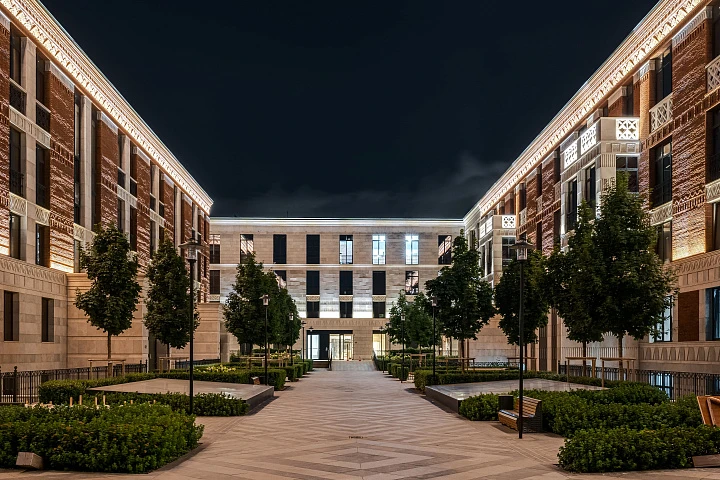
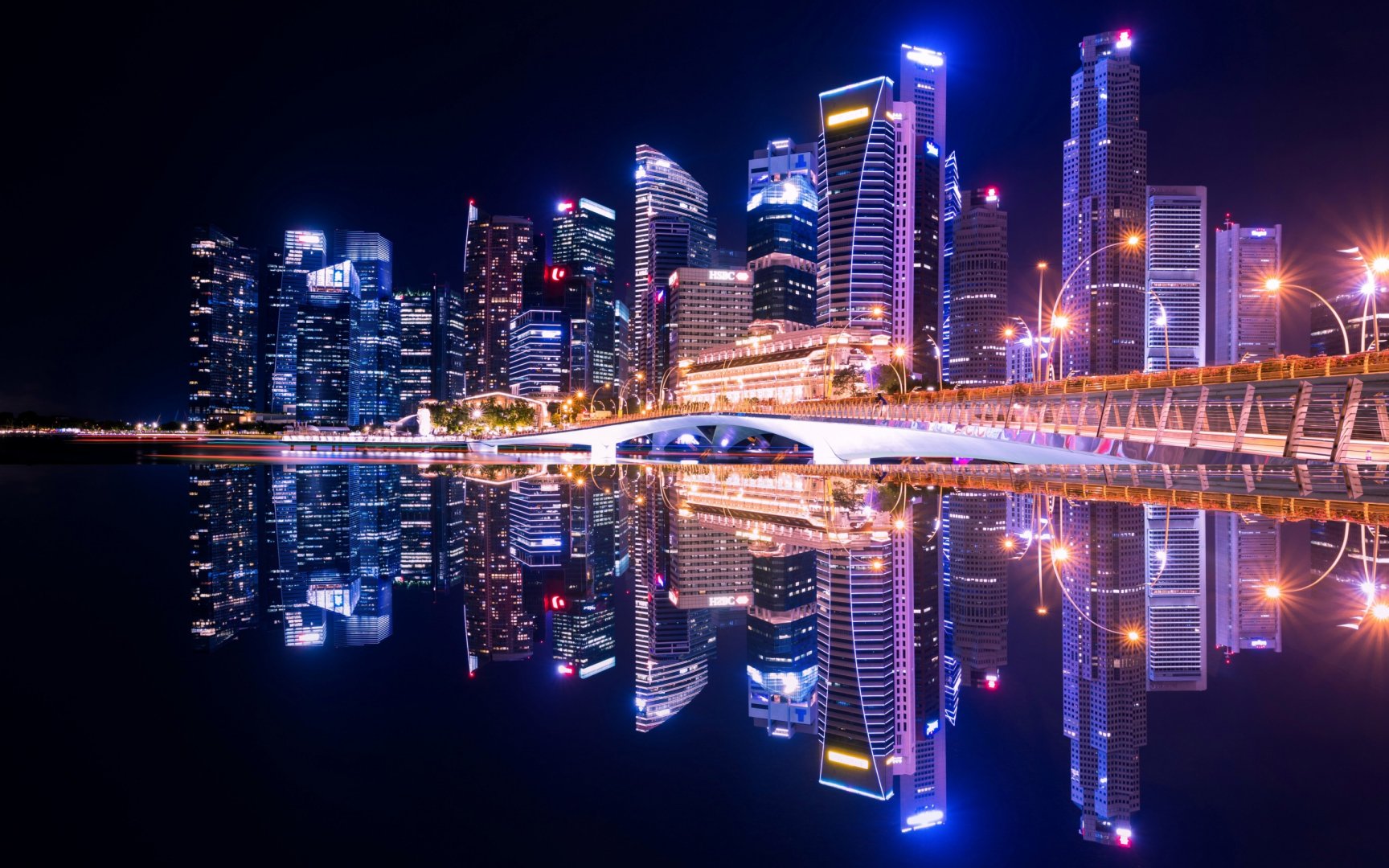
Lighting activity is in constant progress. New models of equipment are being developed, parameters of light sources are being improved, and innovative design solutions are being created. The development of lighting technology directly affects our perception of lighting as a full-fledged and independent direction in the design and planning of the urban environment. Architectural lighting and modern public space lighting provide fertile ground for the creation of whole trends and outdoor lighting trends, which we will now discuss.
1. Trend 1. Minimalism in dimensions
This trend is mainly used in architectural lighting of buildings and structures. Light designers strive to select lighting devices so that during the day there are no visible communications and fastenings, and the luminaire itself looks like an element of the building’s architecture. It should be noted that considerable attention is paid to the color of the housing itself, which should be chosen in tone with the facade or apply a stylish contrasting combination.
2. Trend 2. Intelligent control
To create comfort and safety, “smart” technological solutions for remote control and automation are being introduced everywhere. The trend of introducing management systems into the lighting project has existed for several years and is actively developing. There are several main data transmission protocols: DMX512, Dali and spi. Using a control system allows for various scenarios, dividing light into decorative, accent, functional and background. Also, “smart” lighting allows for energy-efficient use of lighting devices and the creation of interesting concepts for interior, architectural and landscape lighting.
3. Trend 3. Projection lighting
Another striking trend in lighting technology is the addition of light concepts by gobo projectors. The principle of such lighting is aimed at static or dynamic projections onto the plane of public spaces or facades. If earlier the use of such devices was aimed at advertising and reproducing logos, today in modern lighting design such equipment is used for decorative lighting concepts: the design of parks and recreation areas can be supplemented with gobo projection patterns and colorful stencils complementing the utilitarian light of functional sources.
4. Trend 4. Tunable white luminaires
The new technology of tunable white has found wide application in architectural lighting. The use of lighting devices of this design allows you to get several modes and lighting concepts on one facade. Regulation of the intensity of cold and warm glow of LEDs makes it possible to combine the color design of architectural lighting depending on time, season and weather. An interesting trend in the lighting industry has gained great popularity among lighting designers and is widely used in the outdoor lighting of many cities.
5. Trend 5. Self-scoot parking lights.
The trend of development of the modern urban environment is aimed at creating conditions for pedestrians and improving environmental performance. The development of electric transport provokes observation of progress in related industries and spheres. An ideal solution, maximally functional and innovative for the lighting industry, becomes a landscape luminaire with a charger for electric scooters. So, a “smart” lighting device becomes an integral part of the modern world, where everything is aimed at improving human performance in the urban environment, their comfort, safety and emotional state.
6. Trend 6. Brass, copper and wooden elements.
Fashion is cyclical and interdependent. The use of various styles and directions in the decoration of luminaires is directly related to modern trends in the exterior and planning of public areas. Wood textures, stone finishes, sandy shades and matte surfaces - all these are techniques of modern design in the landscape and architecture of the urban environment. For a balanced and harmonious use of lighting devices, not only the lighting effect is important, but also the appearance of the light source. Today, luminaires for improvement are decorated with various alloys and materials, complementing the simple geometric shape with a contrasting texture.
1. Trend 1. Minimalism in dimensions
This trend is mainly used in architectural lighting of buildings and structures. Light designers strive to select lighting devices so that during the day there are no visible communications and fastenings, and the luminaire itself looks like an element of the building’s architecture. It should be noted that considerable attention is paid to the color of the housing itself, which should be chosen in tone with the facade or apply a stylish contrasting combination.
2. Trend 2. Intelligent control
To create comfort and safety, “smart” technological solutions for remote control and automation are being introduced everywhere. The trend of introducing management systems into the lighting project has existed for several years and is actively developing. There are several main data transmission protocols: DMX512, Dali and spi. Using a control system allows for various scenarios, dividing light into decorative, accent, functional and background. Also, “smart” lighting allows for energy-efficient use of lighting devices and the creation of interesting concepts for interior, architectural and landscape lighting.
3. Trend 3. Projection lighting
Another striking trend in lighting technology is the addition of light concepts by gobo projectors. The principle of such lighting is aimed at static or dynamic projections onto the plane of public spaces or facades. If earlier the use of such devices was aimed at advertising and reproducing logos, today in modern lighting design such equipment is used for decorative lighting concepts: the design of parks and recreation areas can be supplemented with gobo projection patterns and colorful stencils complementing the utilitarian light of functional sources.
4. Trend 4. Tunable white luminaires
The new technology of tunable white has found wide application in architectural lighting. The use of lighting devices of this design allows you to get several modes and lighting concepts on one facade. Regulation of the intensity of cold and warm glow of LEDs makes it possible to combine the color design of architectural lighting depending on time, season and weather. An interesting trend in the lighting industry has gained great popularity among lighting designers and is widely used in the outdoor lighting of many cities.
5. Trend 5. Self-scoot parking lights.
The trend of development of the modern urban environment is aimed at creating conditions for pedestrians and improving environmental performance. The development of electric transport provokes observation of progress in related industries and spheres. An ideal solution, maximally functional and innovative for the lighting industry, becomes a landscape luminaire with a charger for electric scooters. So, a “smart” lighting device becomes an integral part of the modern world, where everything is aimed at improving human performance in the urban environment, their comfort, safety and emotional state.
6. Trend 6. Brass, copper and wooden elements.
Fashion is cyclical and interdependent. The use of various styles and directions in the decoration of luminaires is directly related to modern trends in the exterior and planning of public areas. Wood textures, stone finishes, sandy shades and matte surfaces - all these are techniques of modern design in the landscape and architecture of the urban environment. For a balanced and harmonious use of lighting devices, not only the lighting effect is important, but also the appearance of the light source. Today, luminaires for improvement are decorated with various alloys and materials, complementing the simple geometric shape with a contrasting texture.
Other news
-
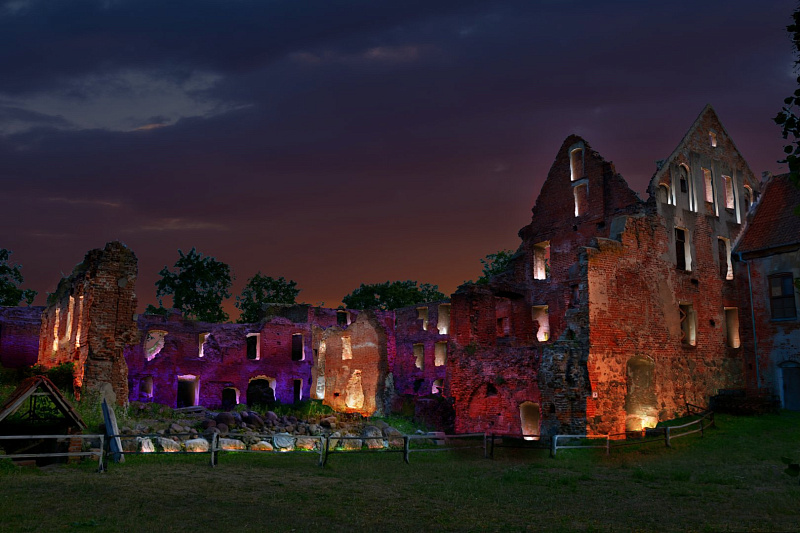
Lighting concept and festive design of the city of Chernyakhovsk
Light designers and lighting engineers have created a unified urban environment concept, focusing on current street lighting conditions.
01/17/2023
-
Why is the customer increasingly asking for the manufacture of a special product for their facility?
One developer uses non-standard planning solutions, another - thinks through the improvement to the last detail.
04/26/2021