Street
lighting
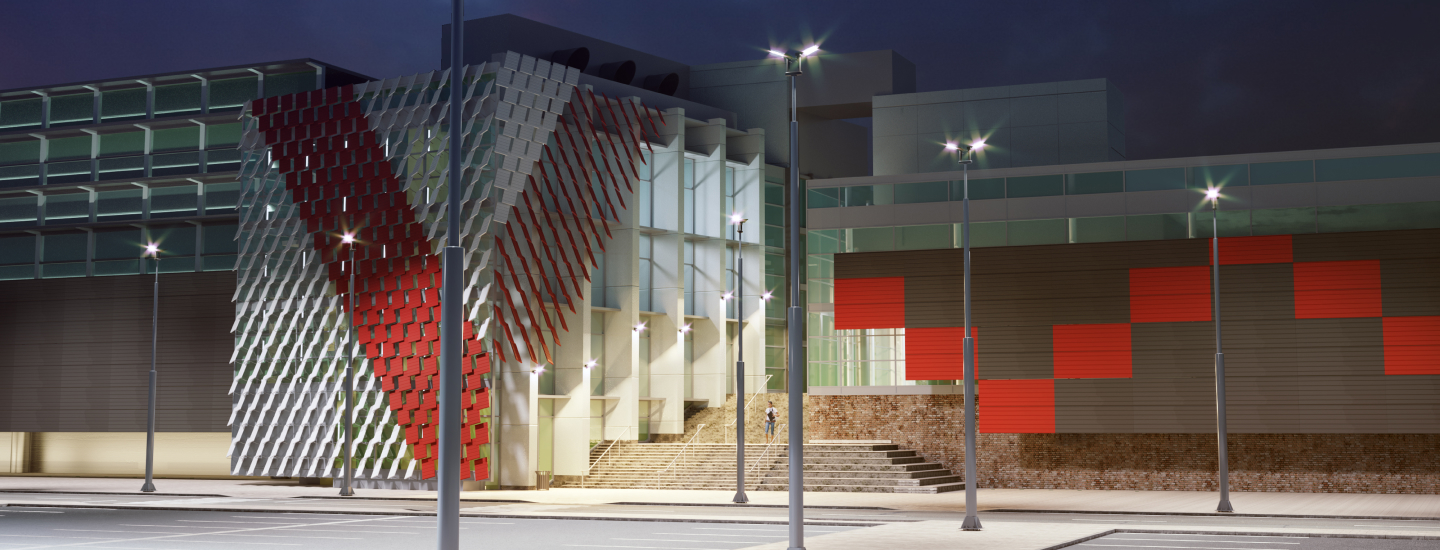
We design and install all types of street lighting
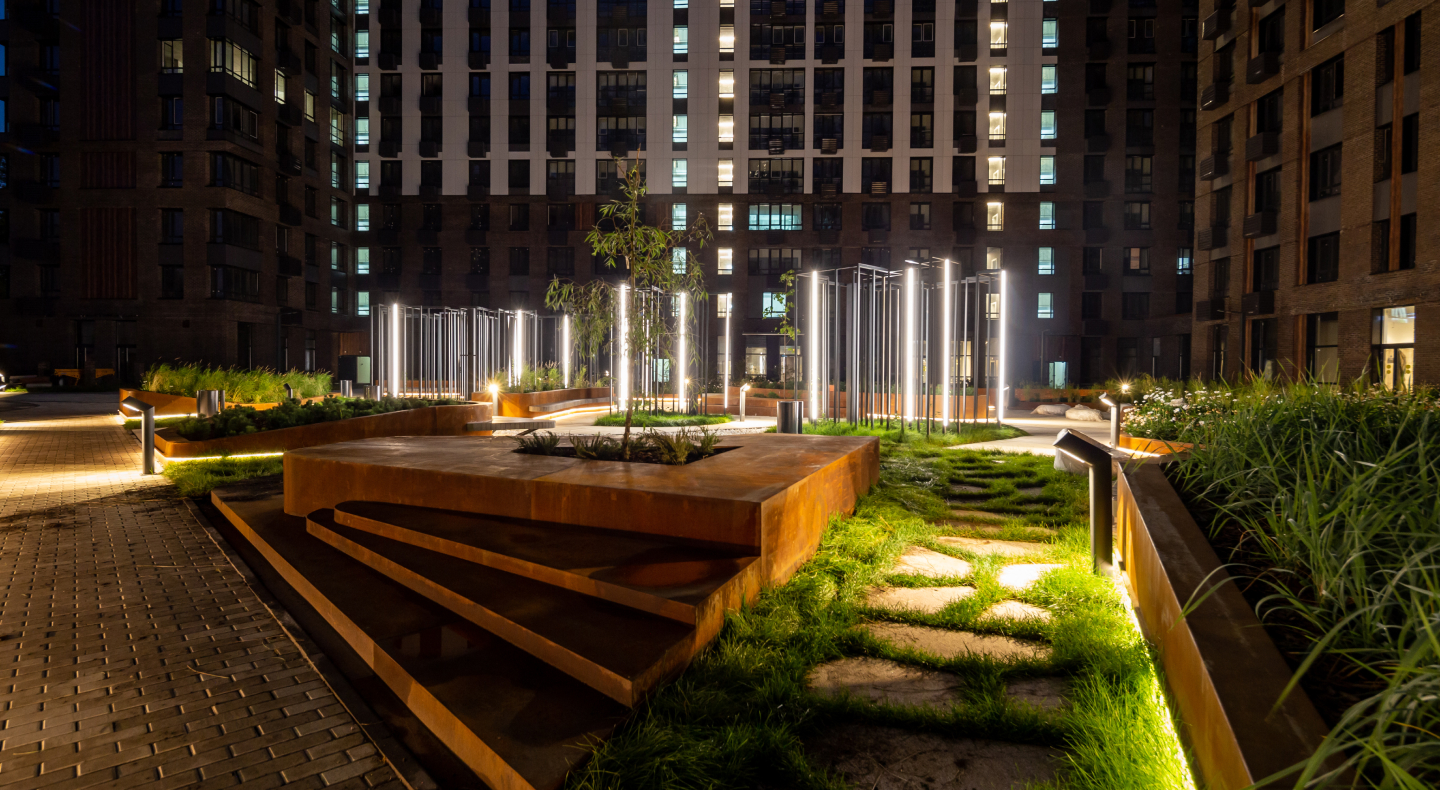
Street lighting is an integral part of our lives. During the evening and night, it ensures safety and comfort on the streets, squares, and in parks.
There are standards for street lighting that determine the minimum amount of light in an area. Typically, it ranges from 10 to 20 lux, but this value may vary depending on the region and the intended purpose of the lighting. However, for street lighting to be most effective, factors such as the type of luminaires, installation height, the illumination of surrounding objects, and the color of the light need to be considered.
Proper street lighting is a necessary component of a comfortable and safe urban environment. By adhering to street lighting standards and taking into account factors that can affect its effectiveness, a cozy and secure atmosphere can be created on the streets and in parks.
Contact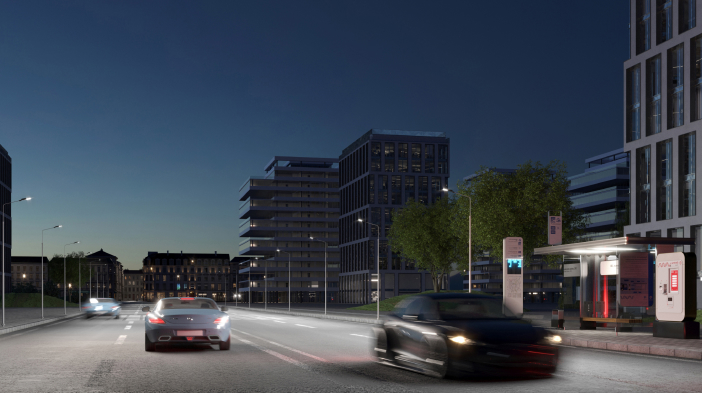
Stage

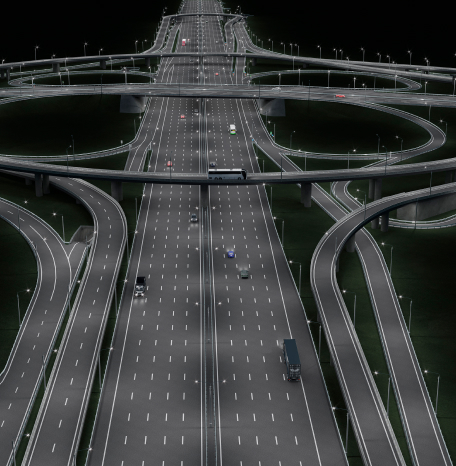
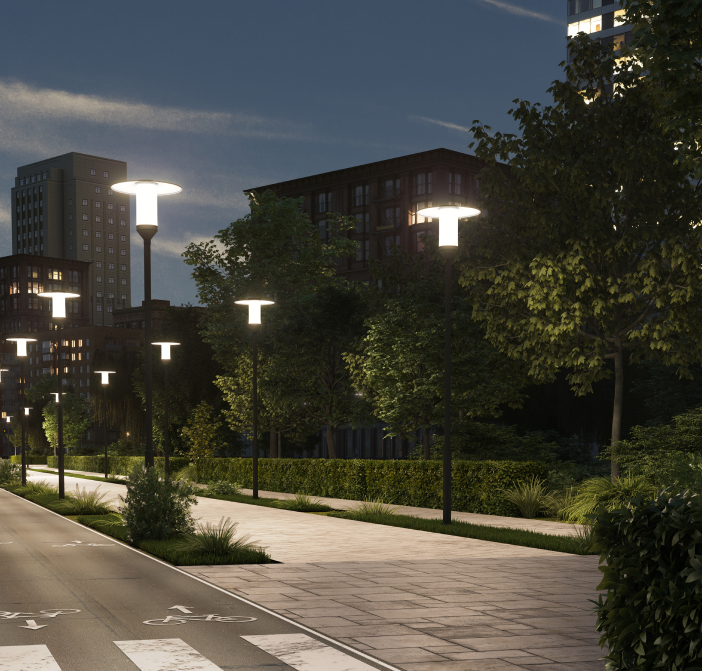
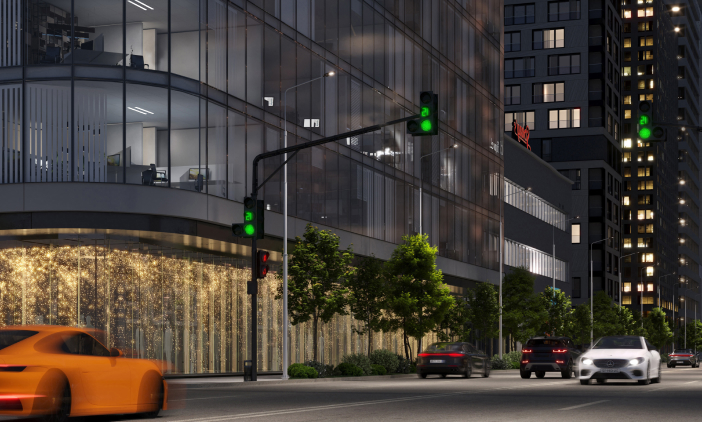
We offer a digital solution for monitoring and managing urban lighting
The RADUGA™ Automated Control System, known as the 'Digital Urban Environment,' is designed to create comfortable and safe living conditions and enhance the efficiency of urban life support systems. The system enables more effective management of urban infrastructure.
- Creating a digital twin of the city;
- Unified dispatch center;
- Environmental analysis;
- Real-time monitoring of life support systems;
- Resource consumption control and optimization, planning;
- Timely centralized response to emergencies;
- Information exchange between components, creating a unified database.
Lighting objectives
01
Ensuring safety on the streets, preventing crimes, and accidents
02
Creating a comfortable atmosphere and enhancing the coziness for urban residents
03
Positive impact on the psychological and physical health of individuals
04
Illumination of specific objects or areas to improve visibility and orientation
05
Enhancing the aesthetic appearance of the urban environment and highlighting architectural and landscape features
06
Creating conditions for the safe movement of pedestrians and vehicle drivers
07
Ensuring the operation of public transportation and other urban infrastructure during nighttime
08
Creating conditions for conducting events and outdoor activities in the evening
Normative documents
regulating
street lighting
This standard establishes requirements for the design, construction, operation, and maintenance of street lighting in public places, such as roads, squares, parks, sidewalks, and other areas.
National building standard that contains provisions for the design and operation of lighting for various facilities, including street lighting.
Regulatory document establishing requirements for road lighting and requirements for the use of vehicle headlights and signaling lights during nighttime and in conditions of limited visibility.
Local ordinances, regulations, and rules that establish requirements for street lighting at the municipal level. These acts may include requirements for lighting power, types of luminaires, installation height, and other lighting parameters, as well as defining responsibility for maintenance and operation.
Regulatory documents establishing requirements for lighting in public areas to ensure the safety and comfort of people in the streets.
Regulatory documents establishing requirements for luminaires, lamps, and other equipment used in street lighting. They define the technical specifications of the products, requirements for their operation, labeling, and other aspects.
Regulatory documents containing requirements for fire safety and the evacuation of people in lighting conditions, including street lighting. They establish requirements for lighting systems on fire escapes, emergency lighting, as well as requirements for light sources that do not support combustion.
Documents that establish requirements for the organization of the urban environment, including street lighting. They may include requirements for luminaire design, their harmonious integration with the city's architecture, illumination levels in squares and streets, and the placement of luminaires in accordance with urban planning.
Frequently
Asked Questions (FAQ)
-
How to choose the right luminaires for street lighting?
- Consider the environment: When selecting luminaires for street lighting, it is essential to consider the surrounding environment, types of roads, and applicable lighting standards.
- Determine lighting requirements: It is crucial to establish the required illumination levels for different areas of the city or roads to ensure safe movement and a comfortable environment for people.
- Select energy-efficient luminaires: Modern luminaires with LED technology offer high energy efficiency and a long service life, reducing energy consumption and operating costs.
- Take safety into account: Street lighting luminaires must meet safety requirements, such as protection against moisture, dust, impact, and vibration.
- Pay attention to lighting control: Lighting control systems can significantly enhance the effectiveness of street lighting, allowing for brightness regulation, operating time, and other lighting parameters based on the time of day, weather conditions, traffic flow, and other factors.
- Consider the aesthetic aspect: Street lighting luminaires can also serve a decorative purpose, contributing visually to the city's appearance. Therefore, it is crucial to select luminaires that match the architectural style and the overall aesthetic perception of the environment.
-
How to maintain street lighting in working condition?
- Regular technical maintenance: Systematic inspection and technical maintenance of luminaires, cable infrastructure, control systems, and other components of street lighting can prevent potential malfunctions and ensure their uninterrupted operation.
- Replacement of malfunctioning components: When faults or damage are detected, it is necessary to promptly replace malfunctioning components such as lamps, drivers, controllers, and others.
- Cleaning of luminaires and optics: Regular cleaning of luminaires from dust, dirt, ice, and other contaminants helps maintain optimal lighting and prolong the service life of luminaires.
- Monitoring and analysis of system operation: Using monitoring and analytics systems allows for controlling the operation of street lighting, identifying possible issues, and optimizing the system's efficiency.
-
What are the safety requirements for the installation and operation of street lighting?
- Compliance with electrical safety: The installation and operation of street lighting must meet electrical safety requirements, including proper wiring, protection against short circuits and overheating, grounding, and other safety measures.
- Vandalism protection: Luminaire installation should include measures to protect against vandalism, such as using robust constructions, mounting luminaires at heights, protective grilles, anti-vandal glass, and other measures to prevent potential damage or theft of equipment.
- Weather protection: Luminaires should be weather-resistant, able to withstand atmospheric conditions like rain, snow, freezing rain, wind, and other weather factors. Special attention should be paid to protecting electrical components from moisture and corrosion.
- Compliance with norms and standards: Street lighting should comply with local norms and standards, including electrical safety, energy conservation, lighting efficiency, and other technical requirements. It is recommended to use certified equipment and adhere to the rules and regulations established by competent authorities.
-
How to choose the right outdoor lighting?
- Define the requirements: Before selecting outdoor lighting, it's essential to determine the lighting requirements and objectives, such as brightness levels, operating hours, types of illuminated areas (roads, sidewalks, parks, etc.), energy efficiency, and other factors.
- Selecting the luminaire type: There are various types of luminaires for outdoor lighting, such as high-pressure sodium lamps, LED luminaires, halogen luminaires, and others. The choice of luminaire type depends on lighting requirements, energy efficiency, budget, and other factors.
- Lighting control: Outdoor lighting can be controllable or automatic, including motion sensors, photocells, programmed time settings, and other methods. The choice of control system depends on lighting requirements and the desired level of energy savings.
- Budget constraints: The cost of outdoor lighting can vary based on the luminaire type, control system, infrastructure, and other factors. When choosing outdoor lighting, it's important to consider budget constraints and find the optimal balance between equipment cost and functionality, energy efficiency, and durability.
- Operating conditions: Outdoor lighting should be suitable for operating conditions, such as climate, environmental pollution levels, vandalism, and other factors. It's important to select luminaires that can reliably operate in these conditions.
- Energy efficiency: Modern outdoor lighting requirements also include energy efficiency and reducing the environmental impact. Therefore, when choosing outdoor lighting, it's recommended to pay attention to energy consumption, the luminaire's energy efficiency class, and the use of energy-saving technologies, such as LED luminaires.
- Warranties and service: When selecting outdoor lighting, it's also important to consider the warranties and service provided for the equipment. Reliable manufacturers usually offer warranties for their products and have service centers, ensuring long-term support and maintenance for the lighting.
-
How to maintain outdoor lighting?
- Regular maintenance: Outdoor lighting requires regular technical maintenance, including checking the functionality of luminaires, replacing burnt-out lamps or LEDs, cleaning from contaminants, checking the control system, and other measures to maintain the equipment's performance.
- Prompt response to malfunctions: In case of malfunctions in outdoor lighting, such as luminaire failures, sensor issues, or other components, it's essential to conduct repairs or replace the equipment as soon as possible to prevent disruptions in outdoor lighting operation and ensure its continuous functionality.
- Regular inspection of the control system: Control systems for outdoor lighting, such as timers, motion sensors, or dimmers, also require regular inspection and adjustment. This will help optimize lighting, conserve energy, and improve its efficiency.
- Cleaning luminaires from contaminants: Outdoor lighting luminaires can accumulate dust, dirt, or frost over time, which can reduce their light output and effectiveness. Regularly cleaning the luminaires from contaminants helps maintain an optimal level of illumination and lighting performance.
- Replacement of malfunctioning components: When lamps or LEDs burn out, sensors, ballasts, or other outdoor lighting components malfunction, they should be replaced as soon as possible to prevent a decrease in lighting quality and ensure proper operation.
-
What are the advantages of LED lighting for outdoor lighting?
- Energy Efficiency: LED lighting is energy-efficient as it consumes less energy compared to traditional light sources such as halogen or gas-discharge lamps. This reduces energy consumption for outdoor lighting and lowers the energy load on the grid.
- Longevity: LED luminaires have a long lifespan, reducing the need for equipment replacement and maintenance costs for outdoor lighting. The average lifespan of LED luminaires ranges from 50,000 to 100,000 operating hours, which is several times longer than traditional light sources.
- Light Quality: LEDs provide high-quality light with good color rendering and no flicker, which is important for outdoor lighting as it contributes to better visibility and safety on roads or public spaces at night.
- Control Flexibility: LED outdoor lighting systems can be easily integrated with modern control systems, such as motion sensors, dimmers, or centralized control and management systems. This allows for flexible adjustment of brightness and lighting operation times according to specific needs and conditions.
- Environmental Concern: LED lighting does not contain hazardous substances such as mercury or lead that may be present in traditional light sources. It also reduces greenhouse gas emissions by consuming less energy, contributing to a lower environmental impact.
- Low Operating Costs: LED luminaires require less maintenance and repair compared to traditional light sources. The longer lifespan, lower energy consumption, and reduced component replacement costs collectively lead to lower operating costs for LED lighting throughout its operational life.
-
What trends are observed in outdoor lighting?
- Use of LED Technologies: LED lighting is becoming an increasingly popular choice for outdoor lighting due to its advantages, such as energy efficiency, longevity, and light quality. LED luminaires are increasingly replacing traditional light sources like halogen and gas-discharge lamps.
- Intelligent Control Systems: Modern outdoor lighting systems are becoming 'smarter,' with the integration of control technologies, such as motion sensors, light sensors, automatic control systems, and dimming. This allows for optimizing energy consumption and real-time control of brightness and operating time based on actual needs and environmental conditions.
- Utilizing Solar Energy: Solar-powered luminaires are becoming an increasingly popular solution for outdoor lighting, especially in remote or hard-to-reach areas where connecting to the electrical grid may be challenging. Solar luminaires are powered by solar panels and can be autonomous and environmentally friendly solutions.
- Design and Aesthetics: Outdoor lighting is also becoming an essential architectural and design element, enhancing the aesthetic appeal of urban spaces and public areas. Modern outdoor lighting fixtures offer various design options, shapes, colors, and materials to emphasize the style and atmosphere of the urban environment.
- Environmental Considerations: With the growing awareness of environmental responsibility and environmental considerations, outdoor lighting is becoming more environmentally friendly.
- This can include the use of energy-efficient light sources, reduced greenhouse gas emissions, the use of renewable energy sources, and the recycling and repurposing of luminaire materials.
-
What are the main factors to consider when choosing outdoor lighting?
- Efficiency and Energy Efficiency: The efficiency and energy efficiency of luminaires are crucial factors when choosing outdoor lighting. Luminaires should provide sufficient illumination that meets safety and comfort requirements while minimizing energy consumption.
- Light Quality: Light quality, such as color temperature, color rendering index, uniformity of illumination, and absence of flicker, is also an important factor in outdoor lighting selection. High-quality lighting contributes to safety, comfort, and visual well-being for pedestrians and drivers on streets and roads.
- Durability and Longevity: Outdoor lighting should be durable and long-lasting to withstand environmental and mechanical factors, as well as vandalism. The choice of materials and luminaire construction should ensure a long service life and minimal maintenance and replacement costs.
- Control and Dimming Systems: The presence of control and dimming systems allows for more efficient management of outdoor lighting, optimizing energy consumption and adapting lighting to various environmental conditions. When selecting outdoor lighting, consider the availability of luminaire control and dimming options.
- Compliance with Standards: Outdoor lighting should comply with safety and light quality standards established in your region or country. When choosing luminaires, pay attention to their certification and conformity with relevant regulations and standards.
- Budget: Budget is also a significant factor in outdoor lighting selection. It's essential to consider the cost of luminaires, installation, and maintenance within the available budget while meeting quality and lighting efficiency requirements.
-
What are the advantages of using LED technology in outdoor lighting?
- Energy Efficiency: LED luminaires consume significantly less energy compared to traditional light sources such as halogen or sodium lamps. This reduces energy consumption and operating costs for lighting.
- Longevity: LED luminaires have a long service life, reducing replacement and maintenance costs for outdoor lighting. They exhibit high operational stability and rarely fail, minimizing the risk of lighting downtime and improving system reliability.
- High Brightness and Light Quality: LED technologies provide high light brightness and quality with good color rendering. This allows for comfortable and safe outdoor lighting on streets and roads, ensuring good visibility for pedestrians and drivers.
- Precise Lighting Control: LED luminaires are easily controllable and dimmable, allowing for adaptation to various environmental conditions and energy consumption reduction. This also enables more precise control of light direction and distribution, ensuring uniform illumination and reducing light pollution and scatter.
- Environmental Friendliness: LED luminaires do not contain hazardous substances such as mercury, which can be present in some traditional light sources. They also have a smaller carbon footprint as they consume less energy and have a long service life, contributing to reduced environmental impact.
- Design and Installation Flexibility: LED luminaires are compact, lightweight, and flexible to install, allowing for their use in various design solutions and outdoor lighting configurations. They can also be integrated into different architectural elements and city infrastructure, such as lampposts, building facades, road signs, and more, enabling the creation of aesthetically appealing and functional outdoor lighting.